
Pipeline infrastructure operates in some of the most demanding environments, including underground conditions, offshore areas, chemical plants, and oil transportation networks. Steel pipes without effective corrosion protection are vulnerable to moisture, chemicals, soil stress, and electrochemical corrosion.
To solve these challenges, many international pipeline projects choose 3PE Anti-Corrosion Steel Pipe, which combines a fusion bonded epoxy (FBE) inner layer, adhesive layer, and polyethylene protective outer layer.
The three-layer structure creates a strong barrier against corrosion while improving mechanical protection during transportation, installation, and long-term operation.
Compared with traditional coating solutions, 3PE coated pipes provide longer service life, lower maintenance requirements, and better reliability for critical pipeline systems.
3PE stands for Three-Layer Polyethylene Coating, an advanced external anti-corrosion coating system widely used for buried steel pipelines.
The coating consists of three protective layers:
| Layer | Material | Function |
|---|---|---|
| First Layer | Fusion Bonded Epoxy (FBE) | Provides excellent corrosion resistance and strong adhesion |
| Second Layer | Adhesive Layer | Bonds epoxy and polyethylene together |
| Third Layer | Polyethylene (PE) | Provides mechanical protection and resistance to impact |
The combination of these three layers creates a complete protection system.
The epoxy layer prevents chemical corrosion, while the polyethylene layer protects the pipeline from external damage caused by soil movement, transportation, and installation activities.
This makes 3PE coating especially suitable for:
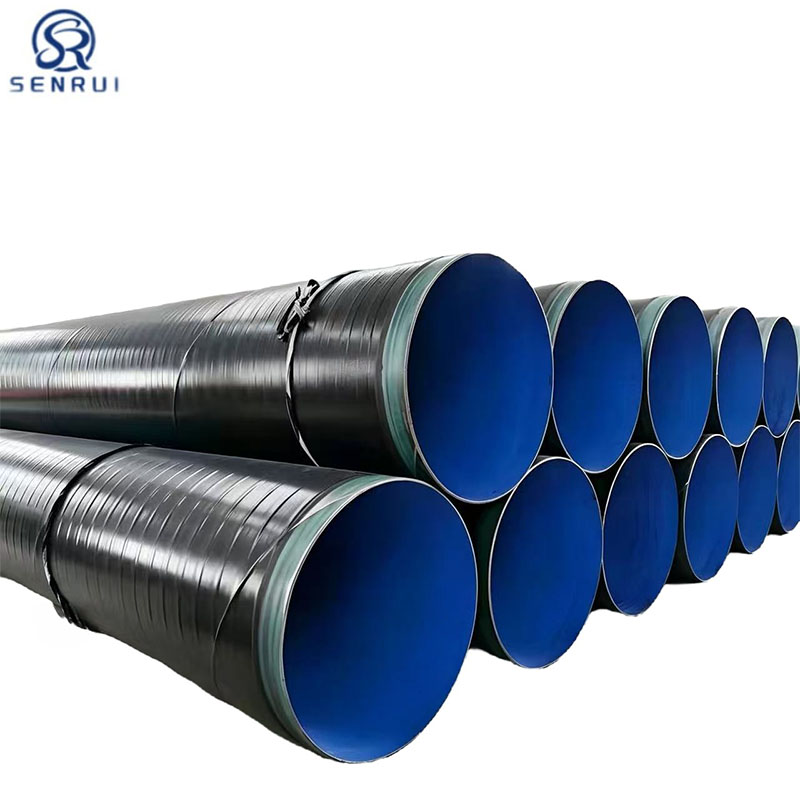
The main purpose of 3PE coating is to prevent steel pipe corrosion.
The multi-layer structure effectively protects against:
For underground pipelines that require decades of operation, corrosion resistance directly affects project safety and operating costs.
Compared with conventional steel pipes, 3PE coated pipes significantly improve durability.
A properly manufactured 3PE coating system can provide long-term protection and reduce the frequency of pipeline repair and replacement.
This advantage is especially important for:
During pipeline transportation and installation, coating damage is a common concern.
The polyethylene outer layer provides:
3PE Anti-Corrosion Steel Pipe is widely used in:
This makes it a preferred solution for Middle East, European, and Central Asian infrastructure projects.
A reliable 3PE coating process requires strict manufacturing control.
The typical production process includes:
The steel pipe surface is cleaned through shot blasting to remove:
A clean surface ensures strong bonding between steel and coating.
The pipe is heated and coated with fusion bonded epoxy powder.
This layer provides:
The adhesive layer connects the epoxy coating with polyethylene.
The PE outer layer provides:
Professional manufacturers perform:
| Inspection Item | Purpose |
|---|---|
| Coating Thickness Test | Ensure coating meets project requirements |
| Holiday Detection Test | Detect coating defects |
| Adhesion Test | Verify bonding strength |
| Appearance Inspection | Check surface quality |
| Hydrostatic Test | Confirm pipe performance |
Quality inspection helps ensure every pipe meets international project requirements.
| Comparison | 3PE Anti-Corrosion Pipe | FBE Coated Pipe | Galvanized Pipe |
|---|---|---|---|
| Corrosion Resistance | Excellent | Very Good | Medium |
| Mechanical Protection | Excellent | Medium | Low |
| Underground Application | Excellent | Good | Limited |
| Service Life | Long-term | Long-term | Medium |
| Impact Resistance | High | Medium | Low |
| Temperature Resistance | Suitable for most pipeline projects | Good | Limited |
| Maintenance Requirement | Low | Medium | Higher |
3PE coating is widely selected when projects require high reliability, long service life, and reduced maintenance costs.
Oil and natural gas pipelines require reliable corrosion protection because they often operate underground for decades.
3PE coated pipes help maintain pipeline integrity and reduce operational risks.
Large-scale water supply systems use 3PE pipes because they provide excellent resistance against soil and moisture corrosion.
Chemical plants and industrial facilities require durable pipeline solutions that can withstand challenging environments.
Urban construction and energy infrastructure projects also use 3PE coated steel pipes for long-term underground applications.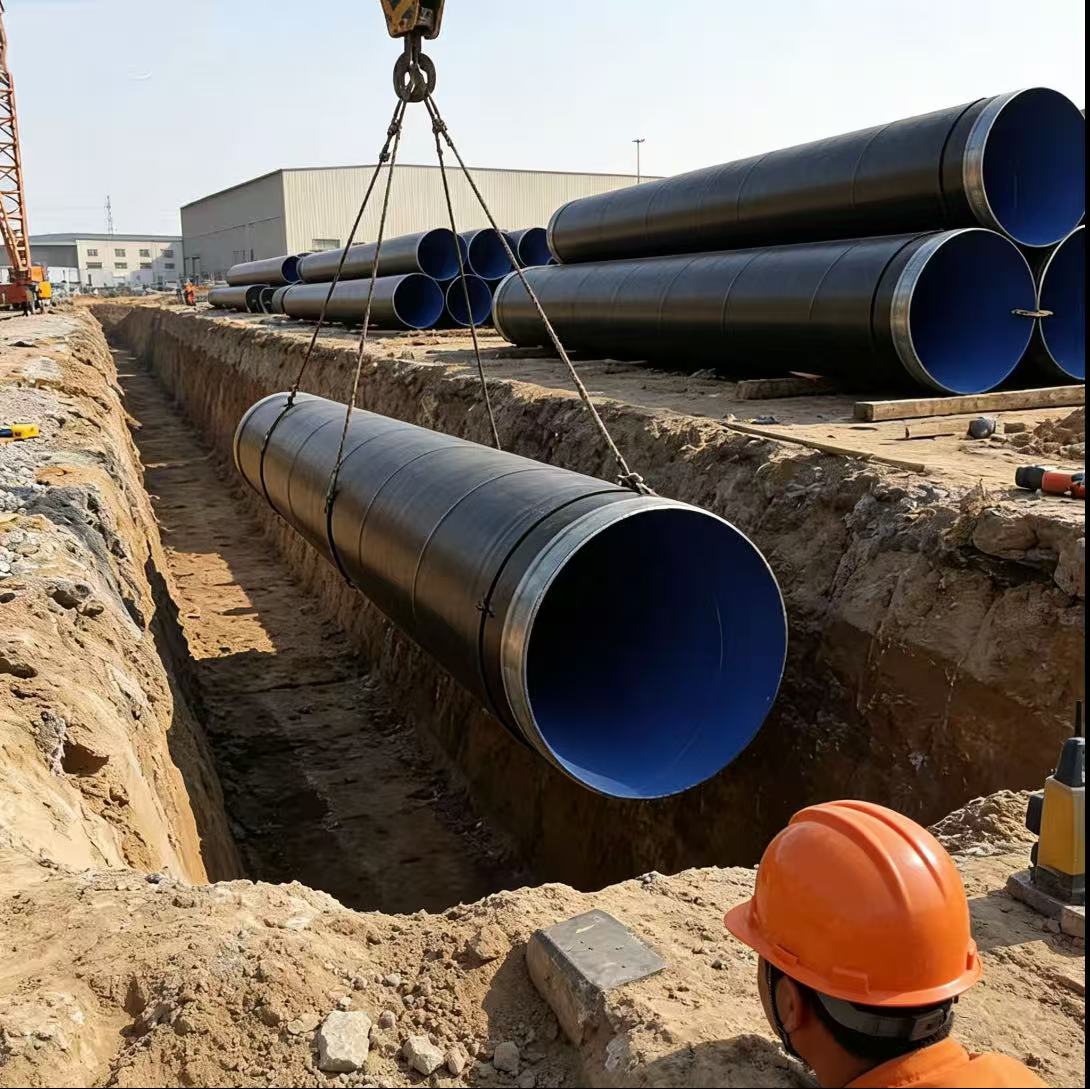
A:3PE Anti-Corrosion Steel Pipe is a steel pipe coated with three protective layers: epoxy powder, adhesive layer, and polyethylene coating, designed to prevent corrosion and extend pipeline service life.
A:The service life depends on environment, installation conditions, and coating quality. Properly manufactured 3PE coating can provide decades of corrosion protection.
A:They are commonly used in oil pipelines, gas transmission systems, water transportation, chemical plants, and underground infrastructure projects.
A:3PE coated steel pipes can be manufactured according to international standards such as:
A:3PE provides better mechanical protection, stronger corrosion resistance, and longer service life compared with many traditional coating methods.
Choosing the right corrosion protection system is essential for safe and cost-effective pipeline operation. 3PE Anti-Corrosion Steel Pipe provides advanced three-layer protection, excellent durability, and reliable performance for demanding oil, gas, water, and industrial projects worldwide.
Contact us today to get customized 3PE Anti-Corrosion Steel Pipe solutions for your next pipeline project.
👉 Internal Link:https://www.senruipipe.com/pages/contact-us


